
Best Places to Visit in Jodhpur: A Local Planning Guide
Plan your Jodhpur sightseeing with this practical guide to Mehrangarh Fort, Jaswant Thada, the Blue City, Clock Tower market, Umaid Bhawan Palace and more.
Why Jodhpur deserves more than a quick stop
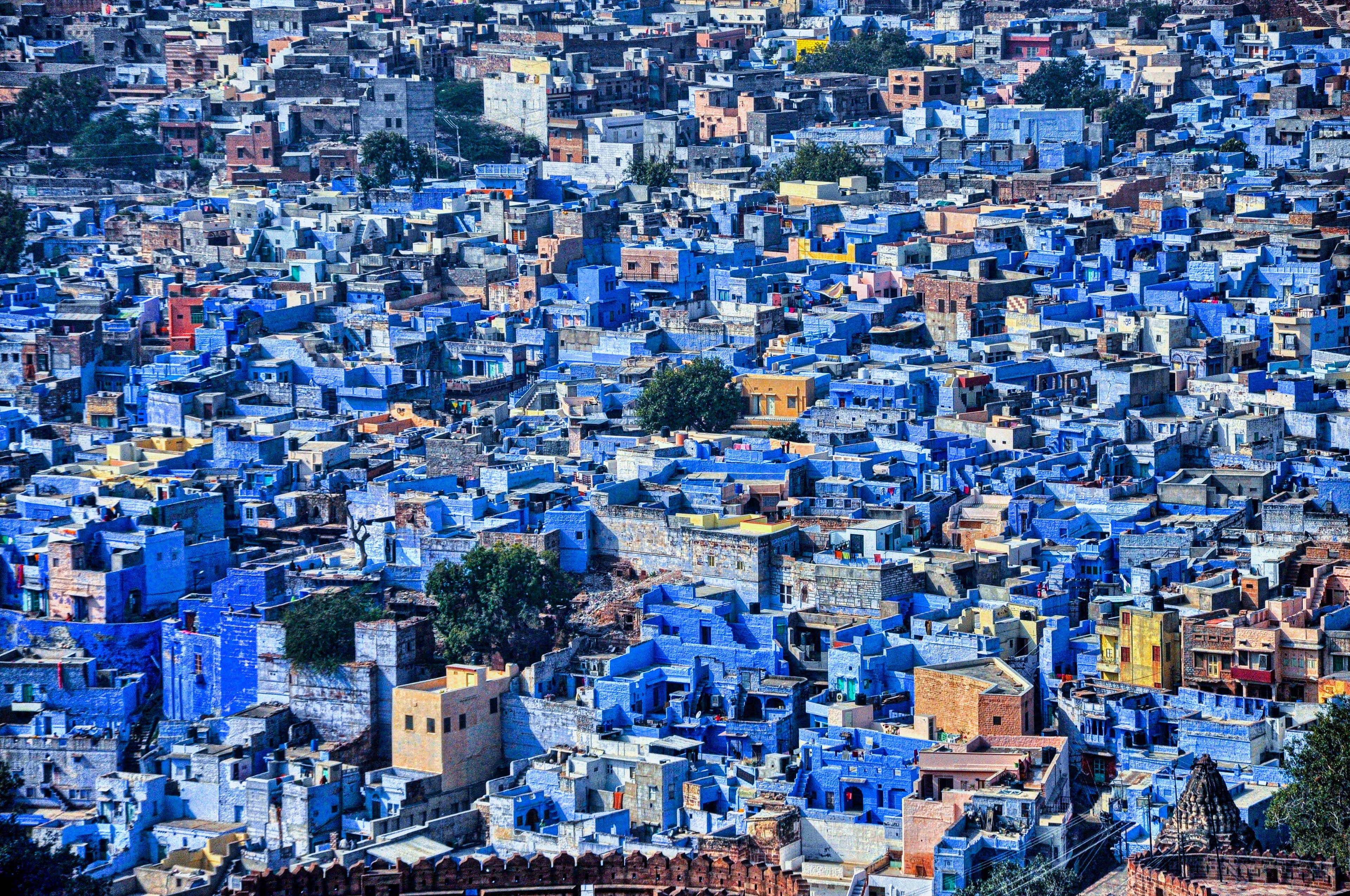
Jodhpur brings together a monumental hill fort, quiet marble architecture, living blue neighbourhoods, busy markets and a distinctive Marwari food culture. The headline attractions are close enough to combine in one focused day, but two days gives you time to explore without turning the visit into a checklist.
The best plan depends on the season, your walking comfort and whether you prefer history, photography, food or local neighbourhoods. A local guide can add context inside the old city, while a private driver is useful for connecting places spread across Jodhpur.
1. Mehrangarh Fort
Mehrangarh Fort rises above the old city and is the natural starting point for understanding Jodhpur. Its gates, courtyards, galleries and elevated viewpoints reveal the scale of Marwar history as well as the relationship between the fort and the blue neighbourhood below.
Allow enough time to explore at a comfortable pace. Opening hours, entry rules and ticket prices can change, so check the fort’s official information shortly before your visit.
2. Jaswant Thada
Jaswant Thada is a marble memorial complex near Mehrangarh Fort. Its calm garden, lake views and finely carved stone make it a natural companion stop after the fort. Visiting the two together reduces unnecessary travel across the city.
3. The Blue City and Navchokiya lanes
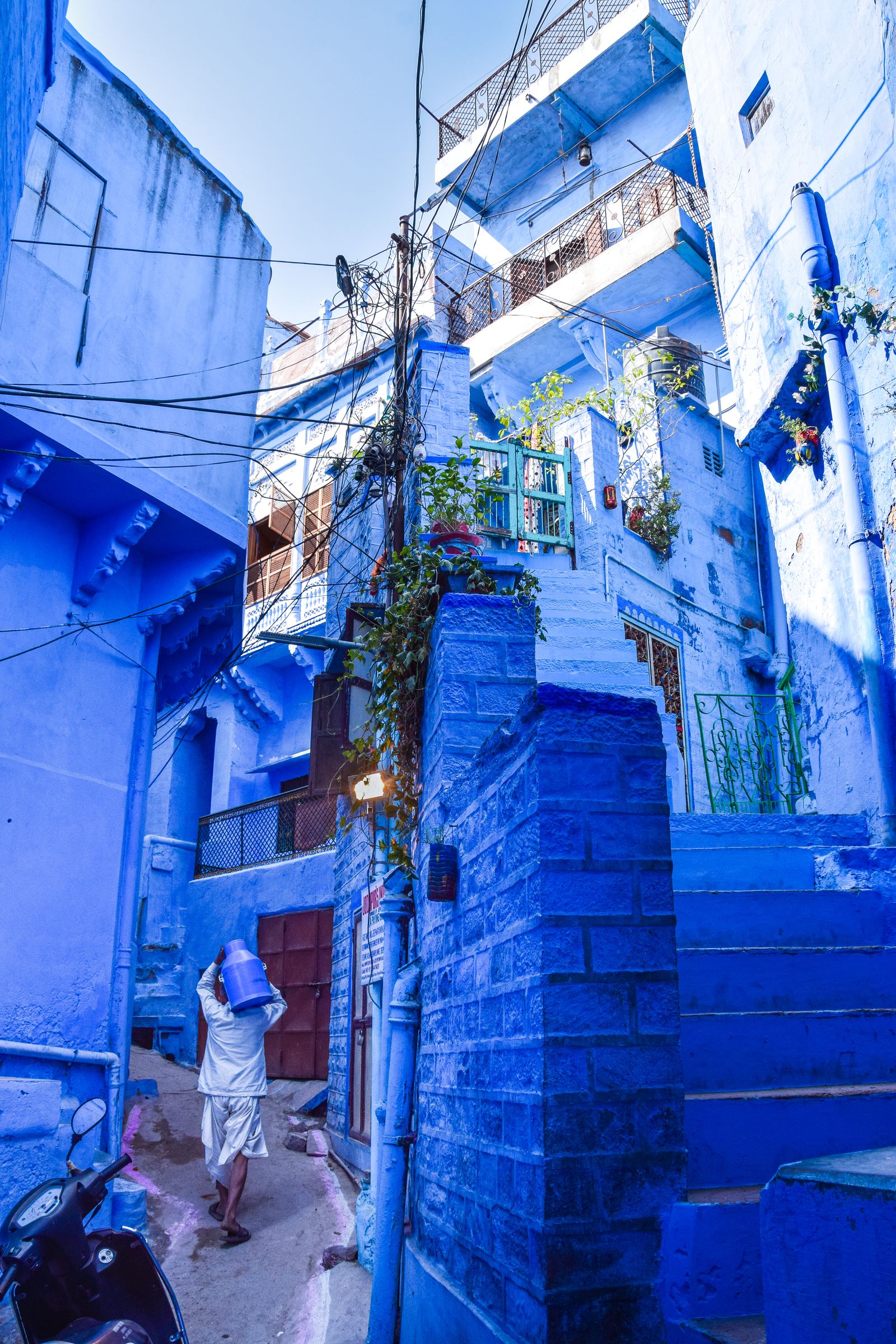
The Blue City is not a single monument. It is a living network of homes, temples, stairways and narrow lanes beneath the fort. A respectful walking route through areas such as Navchokiya offers the textures and blue façades that travellers associate with Jodhpur.
Remember that these streets are residential. Keep voices low, avoid blocking doorways and ask before photographing people at close range.
4. Toorji Ka Jhalra
This historic stepwell is one of the old city’s most recognisable public spaces. Its geometric stone steps make it a rewarding architecture and photography stop, and its central location works well between a Blue City walk and the market area.
5. Clock Tower and Sardar Market
The Clock Tower, also known as Ghanta Ghar, anchors Sardar Market. Come here for spices, textiles, handicrafts and the everyday energy of central Jodhpur. It is also a useful place to try local snacks with guidance on hygiene, ingredients and trusted vendors.
6. Umaid Bhawan Palace
Umaid Bhawan Palace presents a different architectural period from Mehrangarh. Part of the complex remains a royal residence and hotel, while the museum area provides the public visitor experience. Confirm current access arrangements before travelling across the city.
7. Mandore Gardens
Mandore Gardens lies outside the central old-city circuit and suits travellers interested in historic cenotaphs, gardens and a slower outdoor stop. It is easier to include with a driver, particularly on a full-day itinerary.
How to plan the route
Jodhpur Royal Experience can coordinate a suitable local guide, licensed driver and private vehicle around your arrival point, group size, interests and available time.
- Half day: Mehrangarh Fort, Jaswant Thada and a short Blue City walk.
- Full day: Add Toorji Ka Jhalra, Clock Tower market, local food and Umaid Bhawan Palace.
- Two days: Keep the old city unhurried and add Mandore Gardens or a nearby village experience on the second day.